Safeguarding
At Highfields Primary Academy, safeguarding and promoting the welfare of children is our highest priority. We are committed to providing a safe, calm and supportive environment where children feel listened to, know who to talk to, and get the help they need at the right time.
Our Safeguarding Culture
We believe safeguarding is most effective when children feel safe to speak up and adults act quickly and professionally. We aim to:
- Create a calm, caring and inclusive environment where children feel listened to
- Help pupils understand healthy relationships, boundaries and how to ask for help
- Identify concerns early and provide the right support (including early help)
- Work with parents/carers wherever possible, always keeping the child’s best interests at the centre
- Take swift action when there are concerns about a child’s safety or wellbeing
We follow statutory guidance, including Keeping Children Safe in Education (KCSIE) 2025 and Working Together to Safeguard Children (2023)
Designated Safeguarding Leads
At Highfields Primary Academy, we have a trained Designated Safeguarding Lead (DSL) supported by Deputy DSLs, ensuring that safeguarding concerns can be responded to promptly at all times. Additional staff, including pastoral and attendance leaders, also play an important role in supporting pupils’ day-to-day wellbeing and safeguarding needs.
Highfields Primary Academy safeguarding team:
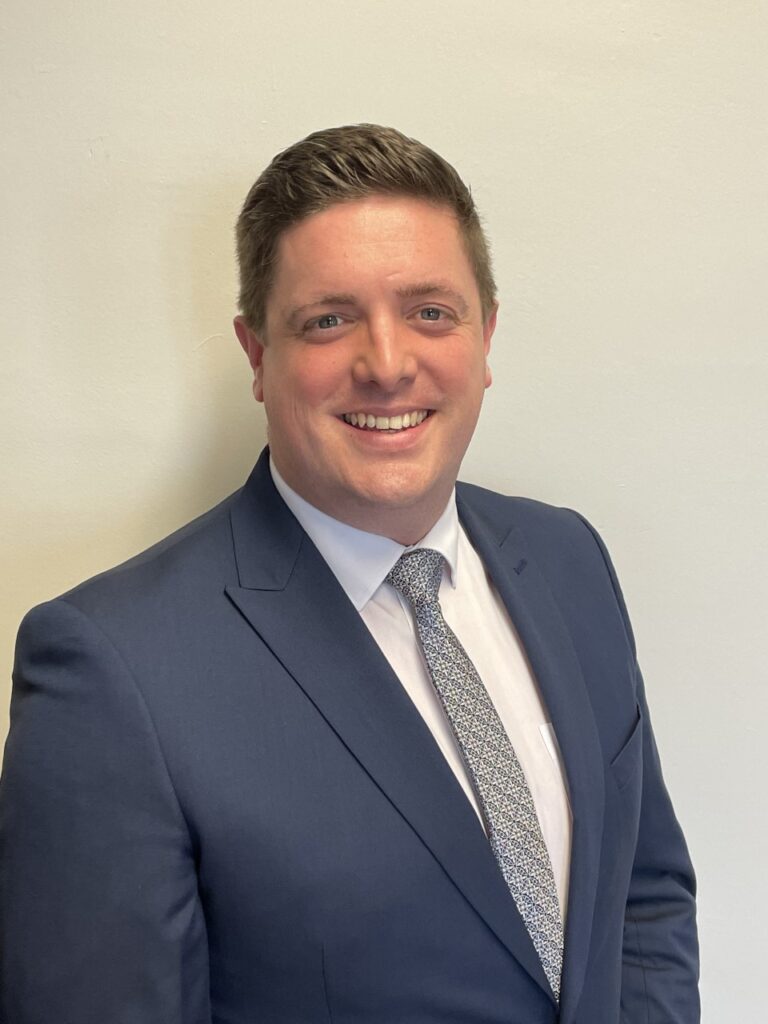
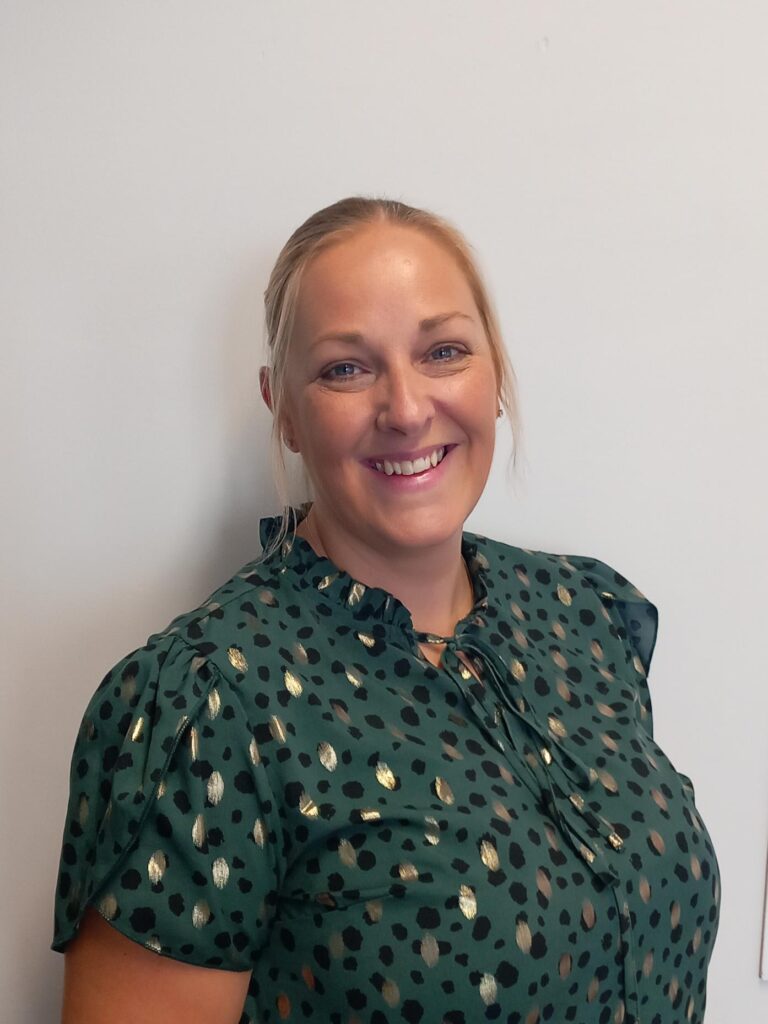
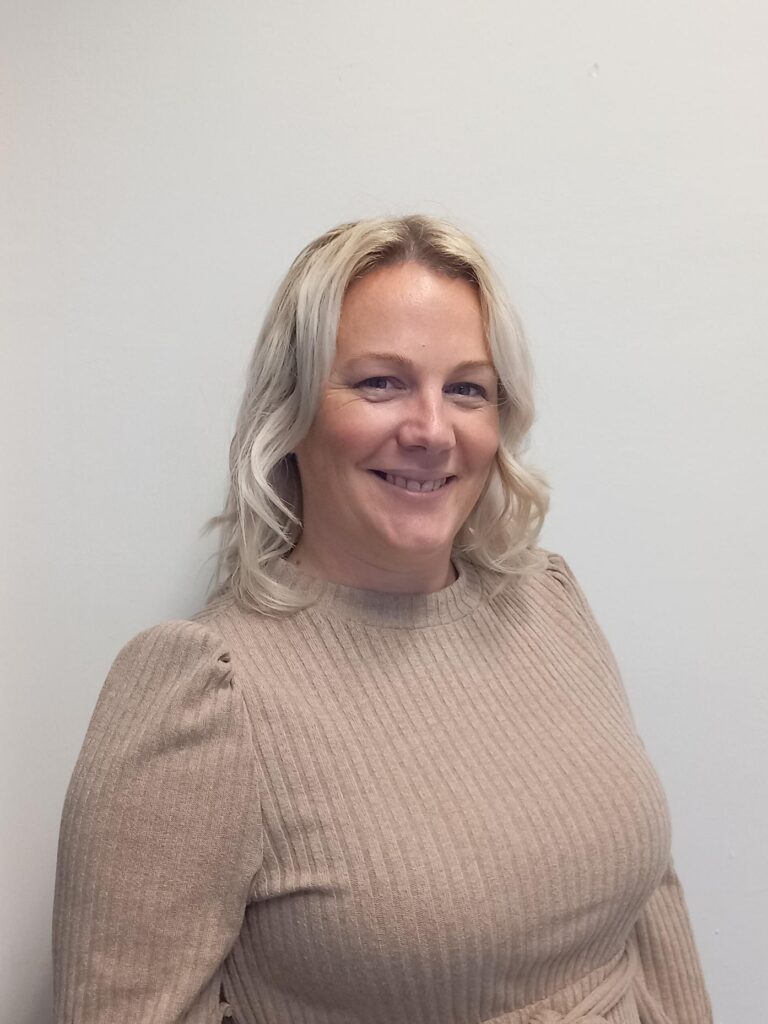
Designated AAB (Academy Advisory Board) Member – Helen Wriglesworth
Mental Health First Champions – Benjamin Williams and Carrie Philbey
Contact: If you have a concern, contact the school office and ask to speak to the DSL (or a Deputy DSL). If you believe a child is in immediate danger, call 999.
If you have a concern about a child
We take every concern seriously.
- Tell us as soon as possible (contact the school office and ask for the DSL/Deputy DSL).
- If a child is in immediate danger, call 999.
- If you are concerned about a child outside school hours, contact Doncaster Children’s Services / Front Door (MASH)
We follow the Doncaster Safeguarding Children’s Partnership procedures and national safeguarding guidance.
What happens when a concern is raised?
When a concern is reported or noticed, staff will:
- Listen carefully and act promptly.
- Record concerns clearly (including dates, what was seen/heard, and actions taken).
- Share information with the DSL who will decide next steps, which may include Early Help support, speaking with parents/carers (where appropriate), or contacting external agencies.
- Work with partner agencies and cooperate with safeguarding enquiries when required.
We also recognise that staff should maintain professional curiosity, and record concerns even where a referral is not immediately required.
Our decisions are guided by statutory safeguarding expectations and local safeguarding partnership thresholds.
Record keeping and information sharing
Safeguarding concerns and incidents are logged securely using CPOMS. This includes situations where there is no immediate referral, so that patterns are not missed over time.
We keep records securely and in line with Trust requirements around data protection and retention
Prevention and helping children stay safe
Safeguarding is not only about responding to concerns; it is also about prevention. We work to:
- Maintain an ethos where children feel secure, can talk, and are listened to
- Ensure children know there are trusted adults in school they can approach
- Teach skills through the curriculum (including PSHE and relationships education) so pupils know how to keep themselves safe and who to turn to for help
Early Help and support for families
Safeguarding is not only about child protection – it’s also about providing support before issues escalate. If a child or family would benefit from help with attendance, routines, wellbeing, behaviour, relationships, housing, finances or other pressures, we can work with you to access Early Help support through appropriate services.
Child-on-child abuse, bullying and sexual harassment
We are clear that child-on-child abuse is never acceptable and will be taken seriously. We respond to concerns quickly, support children involved, record incidents appropriately, and involve external agencies where needed.
Our approach to bullying links directly to our Child-on-Child Abuse Policy, which is reviewed regularly.
Online safety
Keeping children safe online is an essential part of safeguarding. We teach pupils how to use technology safely and respectfully, including:
- understanding privacy and personal information
- recognising worrying content, contact or behaviour online
- how to report concerns and seek help
- safe use of games, apps and social media (age-appropriate)
Staff receive training and updates, and safeguarding leadership maintains oversight of online safety systems, including filtering and monitoring arrangements.
We encourage parents/carers to speak to us if online issues are affecting wellbeing, friendships, behaviour or attendance. If you are worried about something that has happened online (messages, images, gaming or social media), please contact the DSL team – early reporting helps us act quickly.
Click here for more information on Internet and Online Safety.
Specific safeguarding issues we are trained to respond to
In line with KCSIE, staff receive training to identify and respond to a wide range of concerns, including but not limited to:
- neglect, physical, emotional or sexual abuse
- child-on-child abuse (including harassment or harmful sexual behaviour)
- online abuse
- children missing education / persistent absence
- domestic abuse
- mental health concerns
- exploitation (including criminal and sexual exploitation)
- radicalisation and the Prevent duty
We follow Prevent duty guidance and work with appropriate partners if we have concerns that a child may be vulnerable to radicalisation.
Safer recruitment and staff training
We use safer recruitment practices, including ensuring there is safer recruitment training on recruitment panels. DSLs involved in recruitment (and at least one AAB member) also complete safer recruitment training.
Shortlisted candidates are informed that online searches may be carried out as part of due diligence checks.
All staff receive safeguarding induction and regular safeguarding updates, including required training and awareness of key documents (including KCSIE), with access to key safeguarding documents via CPOMS
Allegations about adults and whistleblowing
If an allegation is made about a member of staff, it is reported immediately to the Head of Academy and discussed with the Local Authority Designated Officer (LADO) as required. If the allegation concerns the Head of Academy, the concern is reported directly to the Trust.
Staff also have a duty to raise concerns about safeguarding practice or the actions/attitudes of colleagues through whistleblowing routes.
Visitors to the academy
All visitors sign in at reception and are issued a lanyard. Guidance around lanyards is displayed in school. Where police need to speak to a child as part of an investigation, we ensure an appropriate adult is present.
Alternative Provision
Where pupils access Alternative Provision, we make sure providers are appropriately regulated and have safeguarding procedures in place. Safeguarding impact is monitored through leadership oversight, scrutiny of data, CPOMS records, parent voice and placement visits/records.
Policies
Our key safeguarding-related policies are available on the school website (paper copies are available on request). These include but not limited to:
- Acceptable Use Policy
- Anti-Bullying Policy
- Attendance Policy
- Behaviour Policy
- Safeguarding and Child Protection Policy
- Equalities Policy
- Health and Safety Policy
- Safer Recruitment Policy
- Staff Code of Conduct
Useful Contacts
If you need urgent help or advice:
- Emergency services: 999
- Police (non-emergency): 101
- NSPCC Helpline: 0808 800 5000
- Childline (for children): 0800 1111
